


History of the Yeomans Plow Co.
Turning soil over—mixing and inverting soil layers—runs counter to many proven methods for building long-term soil fertility. The most effective cultivation systems work with the soil profile, not against it. That idea lies at the heart of the Yeomans Plow, whose roots trace back to simple “forked-stick” ploughs: basic tools that loosened soil without destroying its structure.
Origins in Keyline Thinking
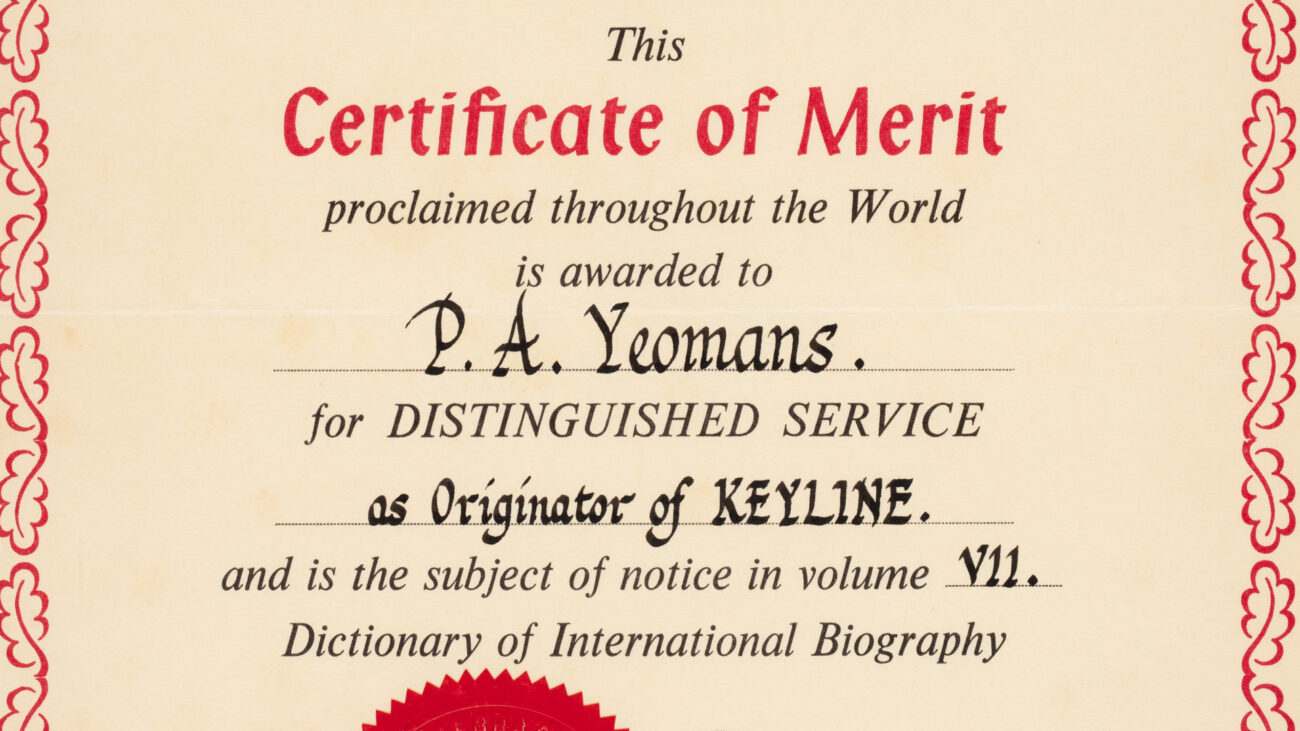
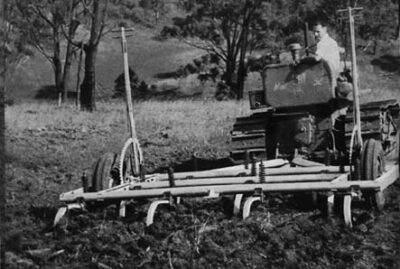
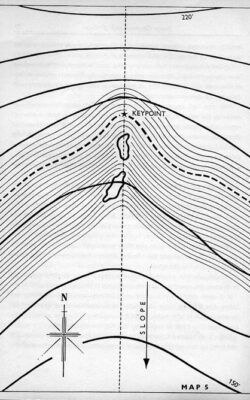
The Yeomans Plow was developed by P. A. Yeomans as a central implement within his Keyline system of land management. Keyline challenged conventional agriculture by prioritizing soil fertility, water movement, and biological activity as the foundation of productive landscapes. To support this approach, Yeomans needed a plow that could cultivate deeply without inverting the soil—an implement that would open subsoil while preserving the living topsoil layer.
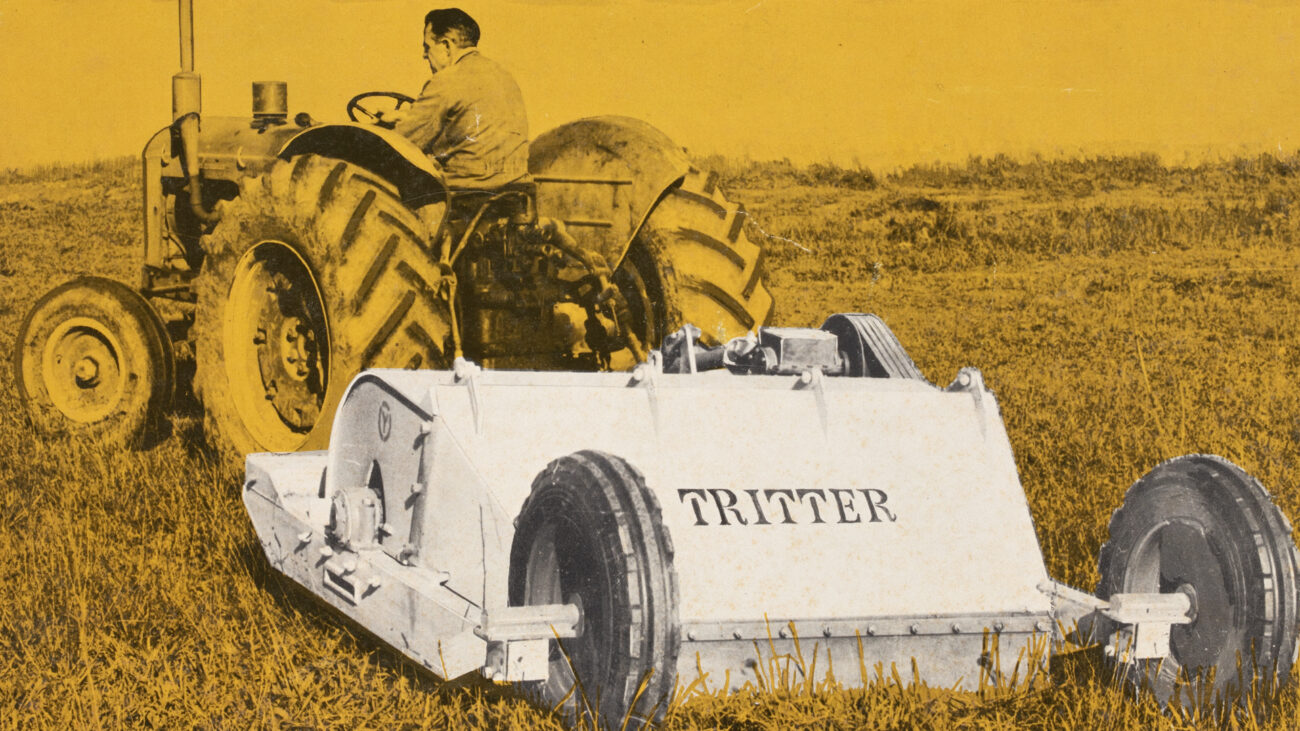
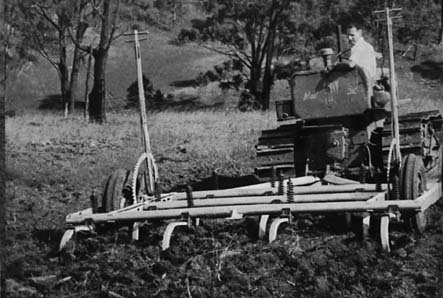
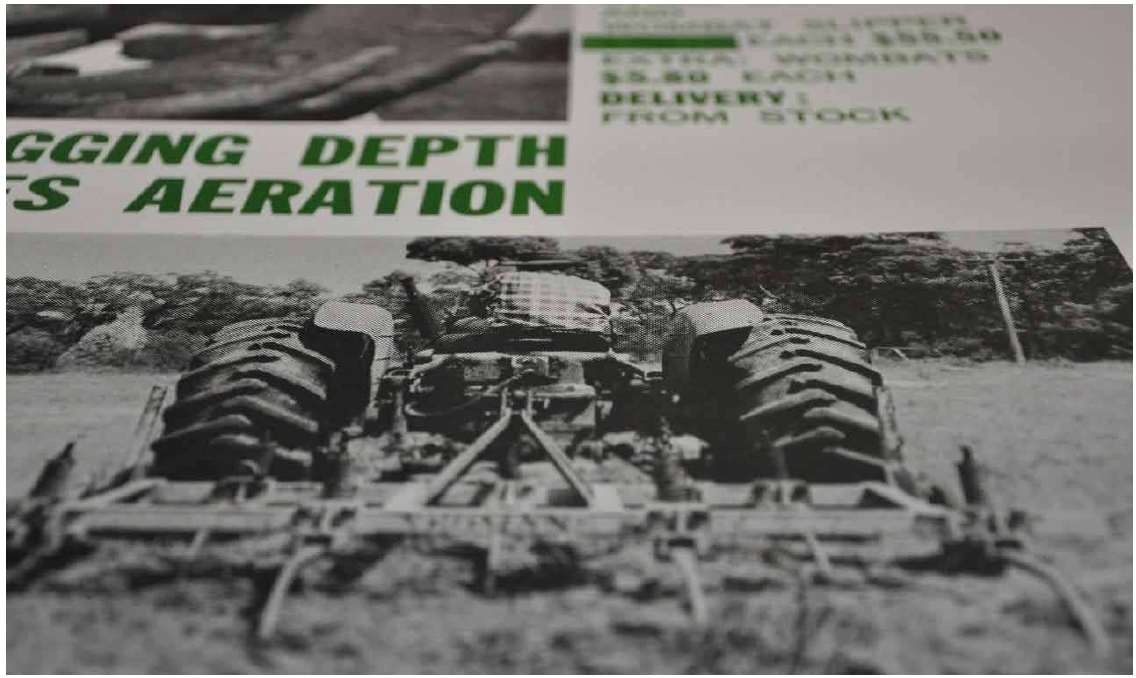
Early inspiration came from the Texan-built Graham Hoeme chisel plow. In 1952, a Graham Hoeme plow was imported into Australia and trialed with promising results in restoring eroded valleys. That same year, P. A. Yeomans and his son Allan traveled to the United States and met with Bill Graham of the Graham Hoeme Chisel Plow Company, negotiating an agreement to manufacture the plow in Australia. Although the patent proved unenforceable locally, Yeomans continued refining the design—strengthening it and adapting it to Australia’s harder, more demanding soils.
P.A. YEOMANS
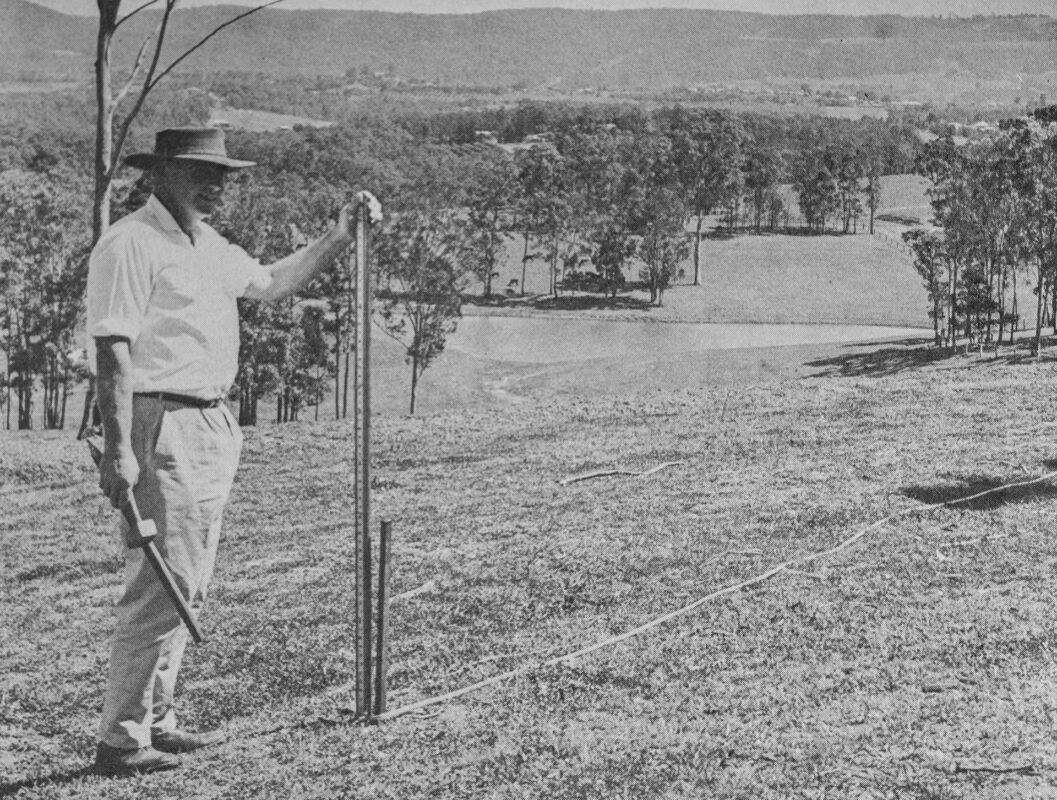
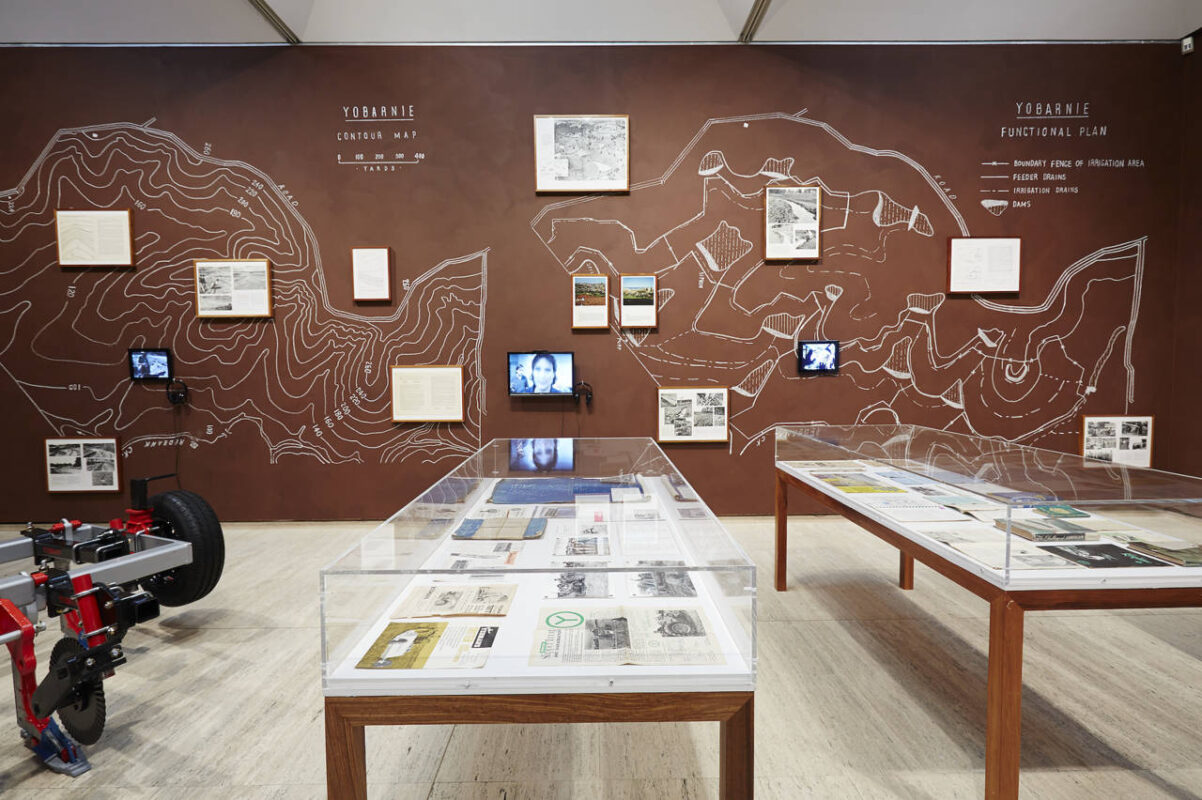
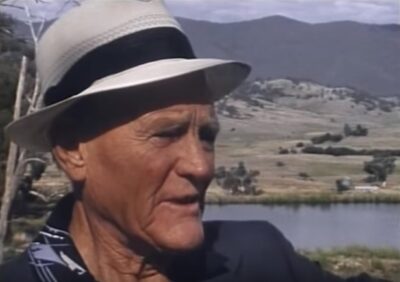
Percival Alfred (P. A.) Yeomans was a pioneer in landscape and soil management. Bill Mollison, founder of permaculture, described Yeomans as “one of Australia’s greatest patriots” for his dedication to restoring the continent’s agricultural health. Lady Balfour, an influential English agriculturalist, called him in the 1970s “the person making the greatest contribution to sustainable agriculture in the past 200 years.” In 2014 the Art Gallery of New South Wales ran an exhibition devoted to Yeomans’s work and the Keyline Plow.
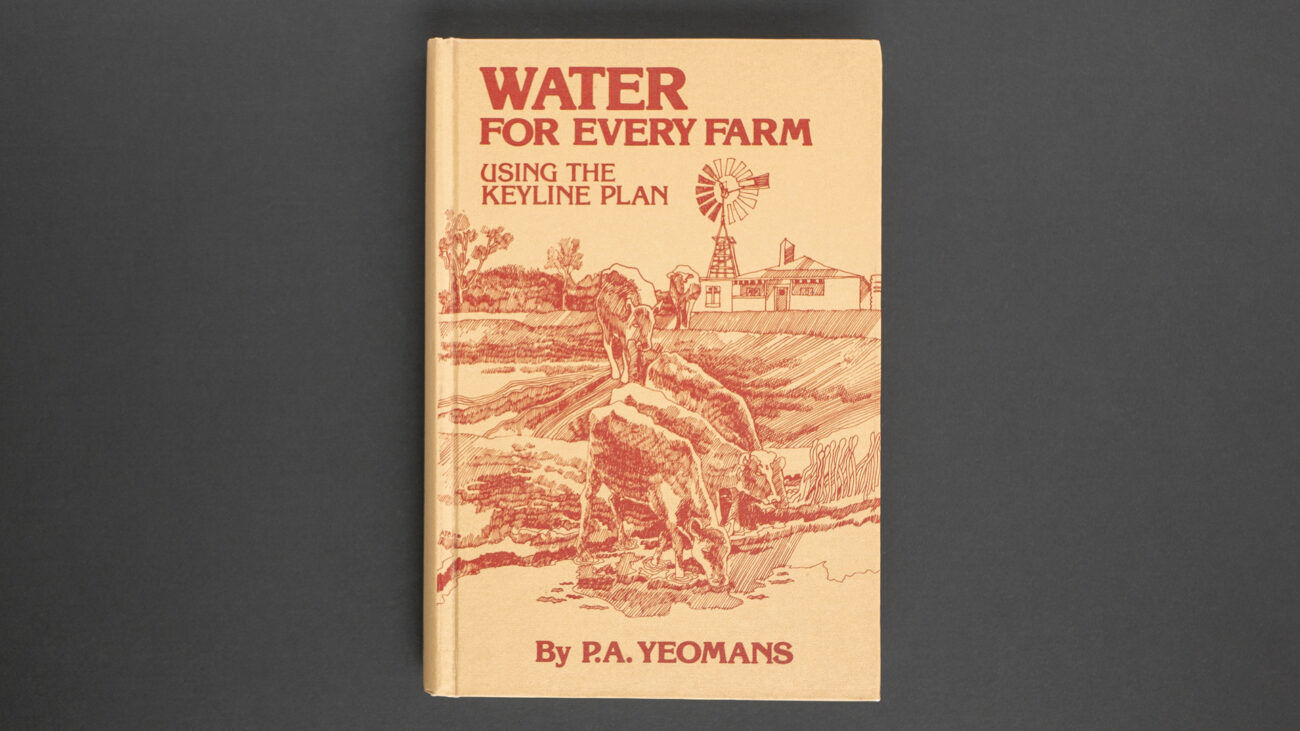
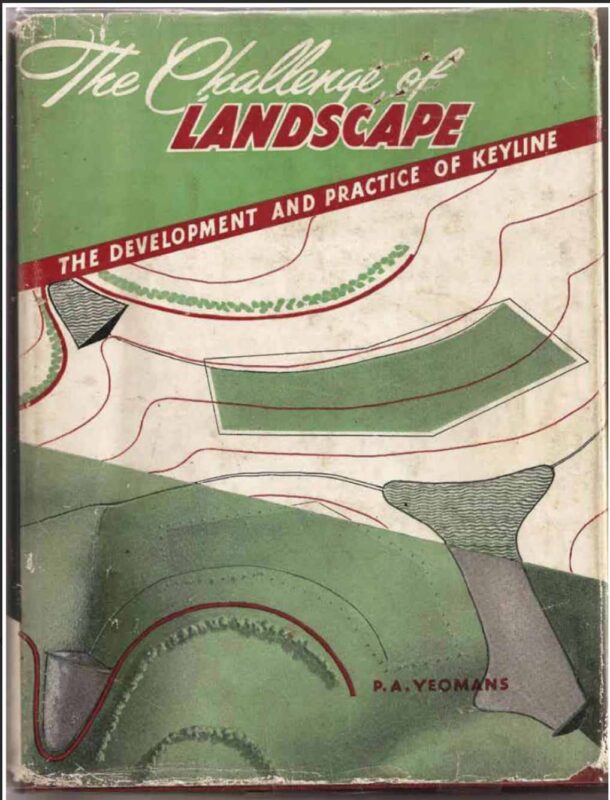
P.A. Yeomans wrote four books: The Keyline Plan (1954), The Challenge of Landscape (1958), Water for Every Farm (1964), and The City Forrest (1971). [Note: verify the exact title of the last book if accuracy is required for publication.]
From Chisel Plow to Subsoil Tool
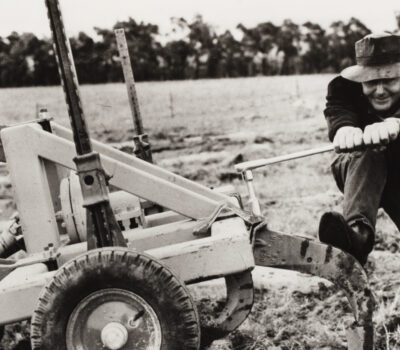
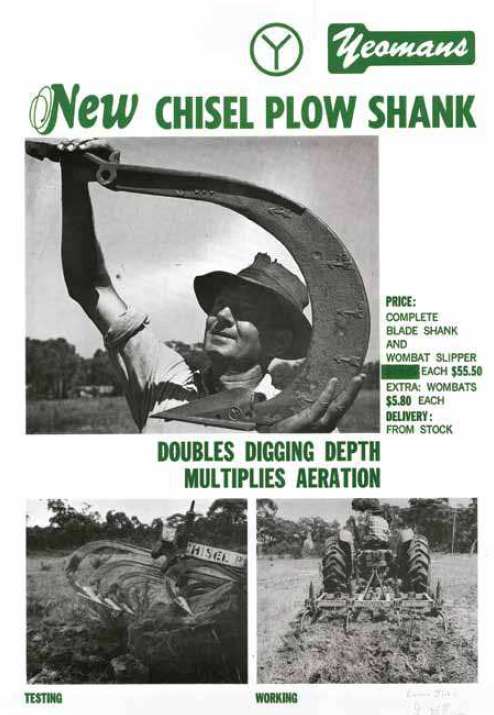
While the original chisel plow showed potential, Yeomans recognized its limitations. He sought a deeper-working implement with the strength of earth-moving rippers but the low-disturbance action of a chisel. Over time, tine geometry, frame strength, and soil engagement were progressively improved.
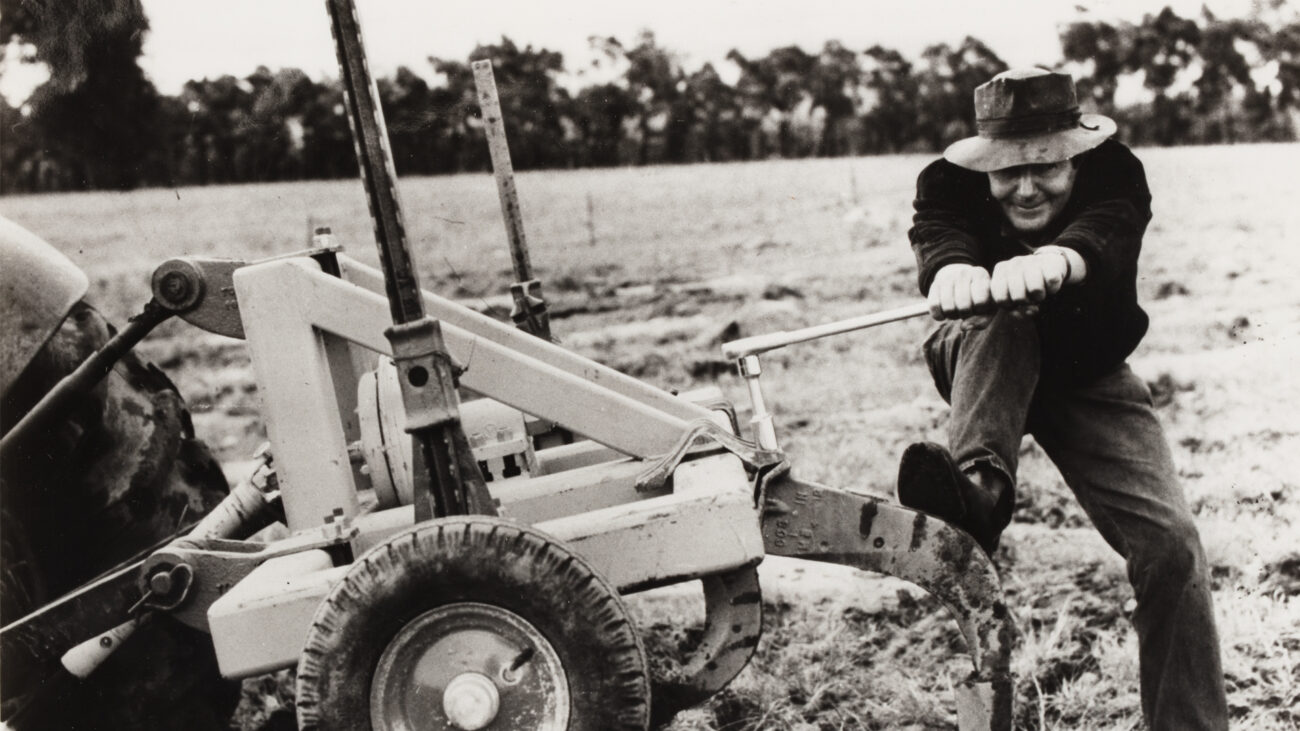
A defining breakthrough was the development of a shank that worked edge-on through the soil. This created a cutting action that lifted and aerated subsoil while leaving the surface largely intact. The soil loosened and oxygenated, and horizons could resettle naturally—maintaining distinct layers and minimizing root disturbance.
The Bunyip Slipper Imp and the Shakaerator
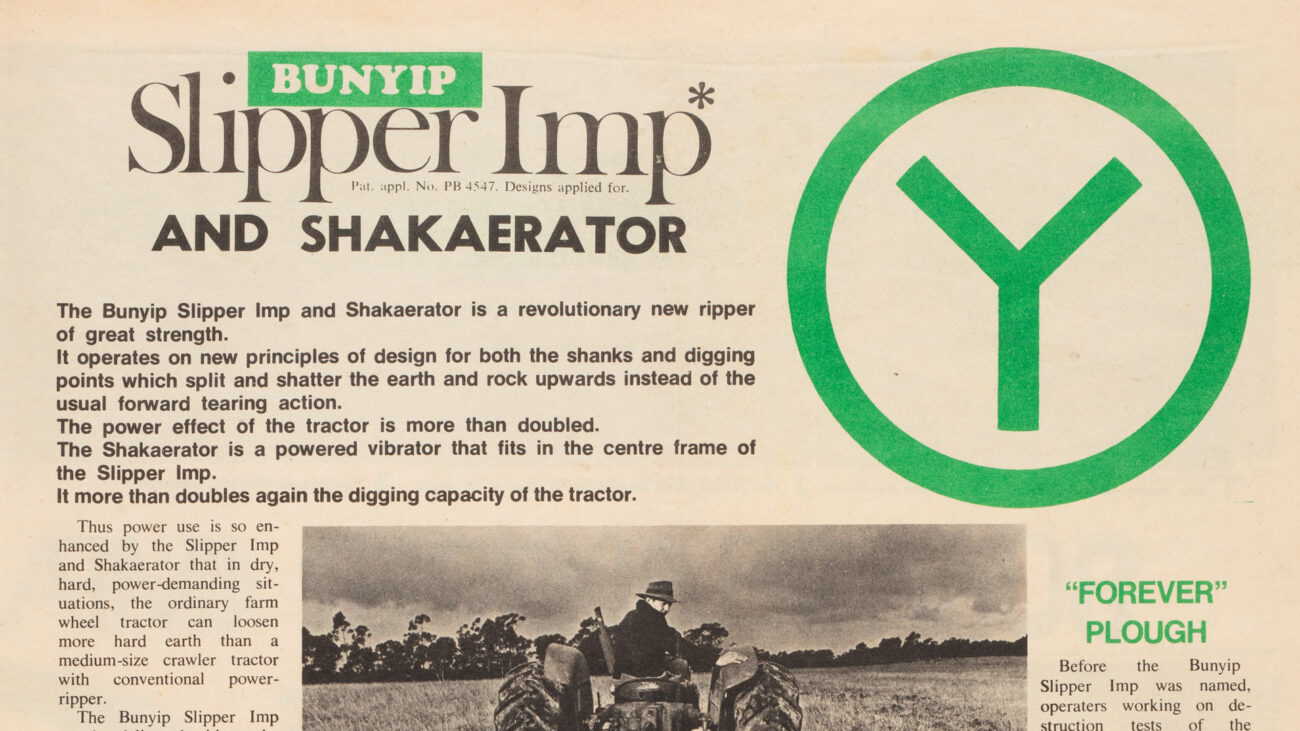
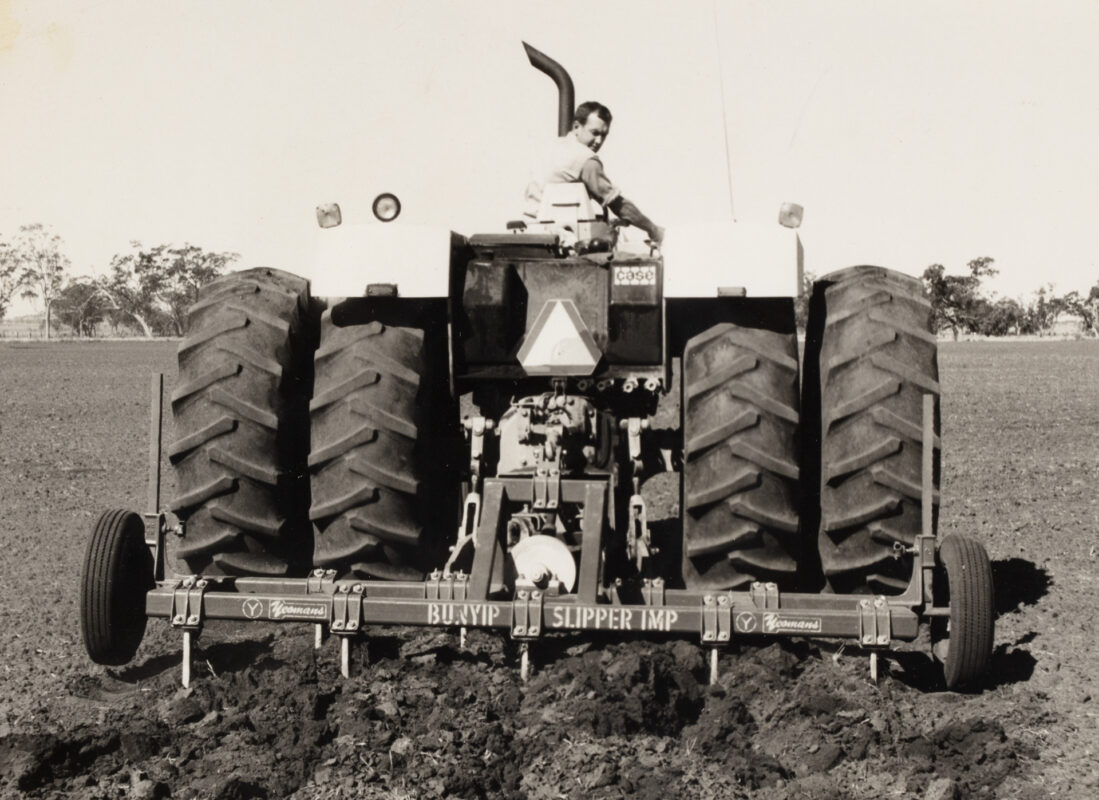
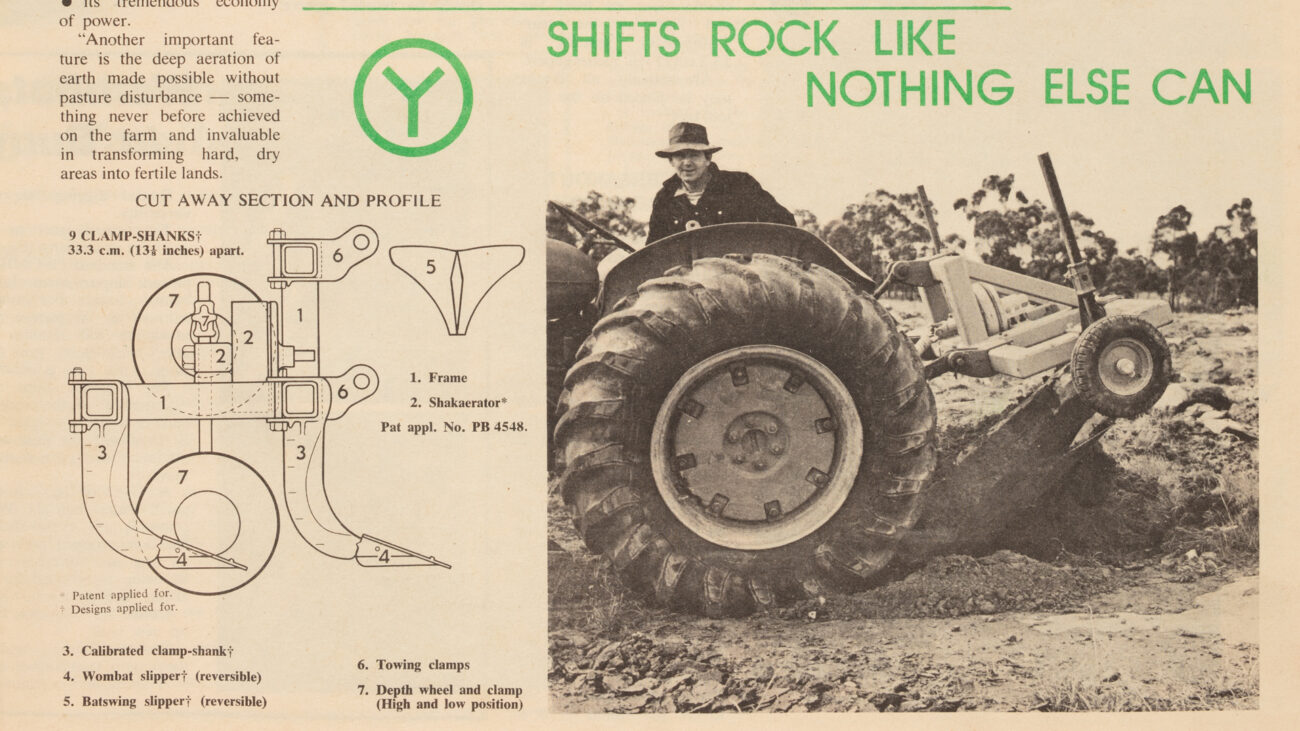
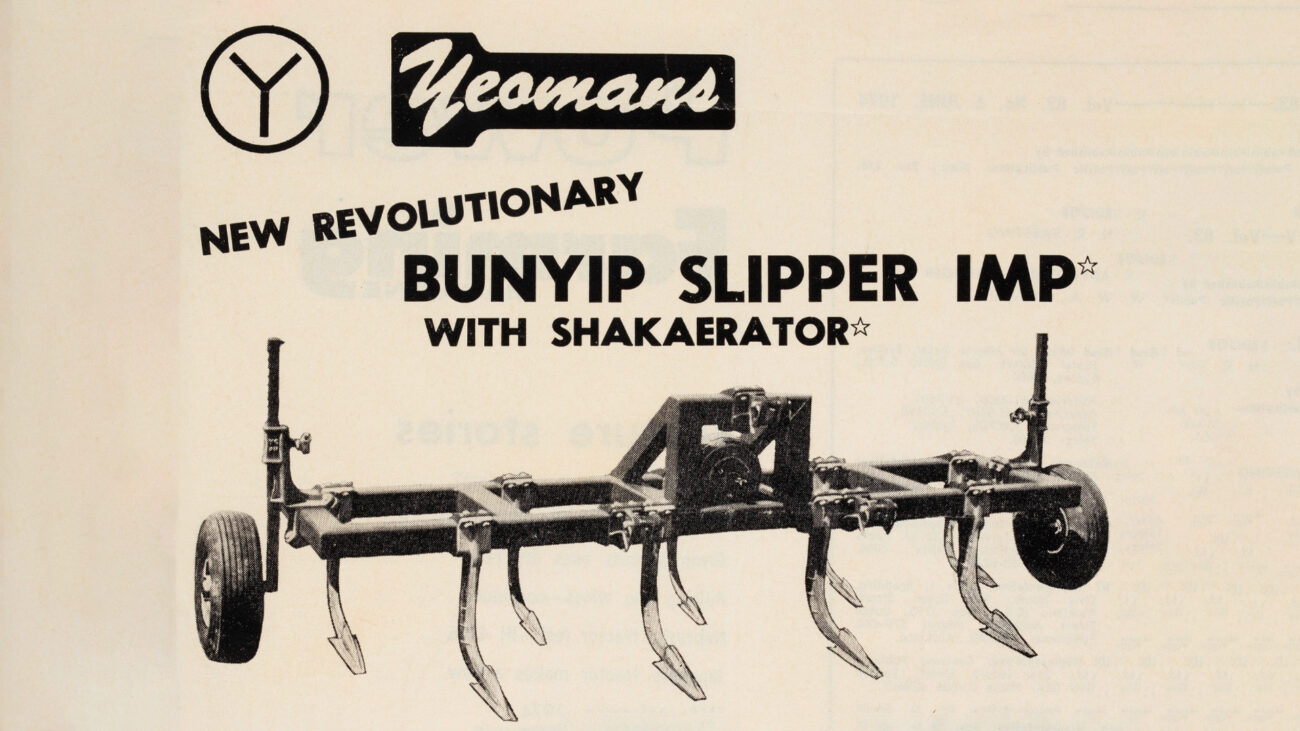
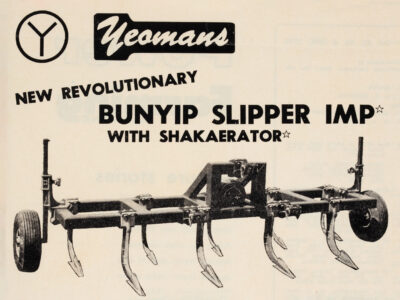
In 1964, after the death of his wife Rita, P. A. Yeomans sold the plow business. As part of the sale, he and Allan were contractually restricted from the agricultural machinery industry for five years. When that restriction expired, their concepts for a true “subsoiler chisel plow” re-emerged as the Bunyip Slipper Imp, paired with the Shakaerator, a vibrating mechanism that assists penetration by acting like a jackhammer—reducing tractor horsepower requirements.
The Bunyip Slipper Imp featured a rigid frame and cast tool-steel shanks capable of deep cultivation while leaving topsoil virtually undisturbed. The design won the Prince Philip Award for Australian Design in 1974. Key features included replaceable “slippers” on each shank, fail-safe shear bolts for field protection and rapid replacement, and strong performance in rocky or compacted ground—frequently described as “shifting rock like nothing else can.”
Allan Yeomans and Modernisation
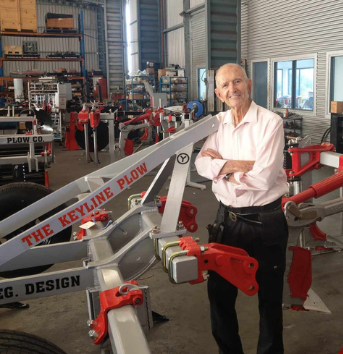
After P. A. Yeomans’s death in 1984, Allan Yeomans assumed full responsibility for developing and manufacturing Yeomans Plows. Trained as a design engineer and engaged in the business since the early 1950s, Allan modernized the plow while preserving its core principles.
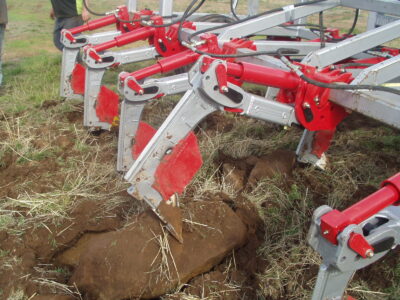
Under his leadership, improvements were made to shank geometry, metallurgy, depth-control systems, frame designs, and hydraulic stump-jump systems for previously uncultivable country. Allan also advanced the soil-building techniques enabled by the plow—emphasizing humus formation, deep biological activity, and the conversion of biologically inactive subsoil into productive growing environments.
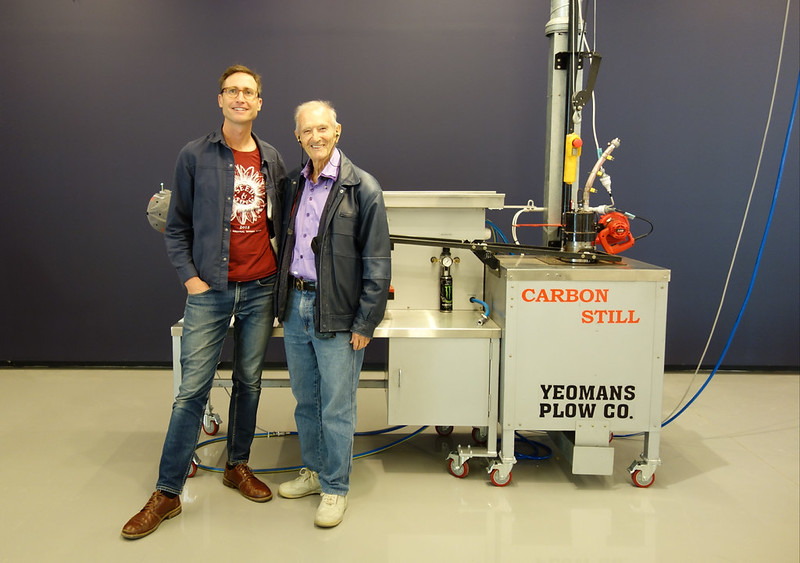
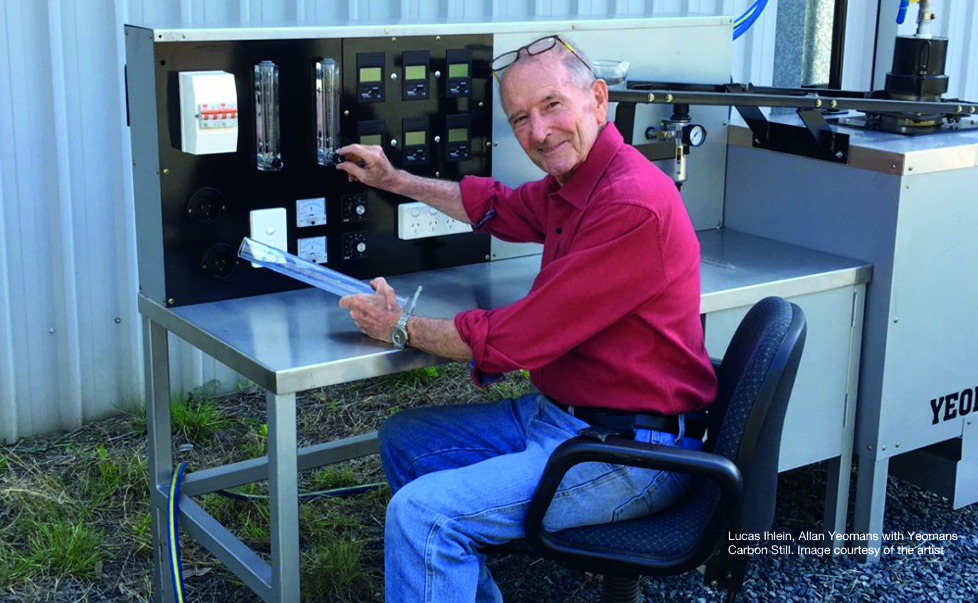
Although Allan did not write the original Keyline books (those were his father’s), he was a tireless advocate for the system and authored technical papers such as “The Agricultural Solution to the Greenhouse Effect” (1990). He was a passionate advocate for reversing climate change and wrote Priority One: Together We Can Beat Global Warming (2005), which proposes agricultural solutions to climate change with an emphasis on sequestering carbon in soil as humus. He also developed the Yeomans Carbon Still, intended to help draw down atmospheric greenhouse gases by promoting soil carbon storage; a model was displayed at the Monash University Museum of Art in 2019.
A growing system of tools
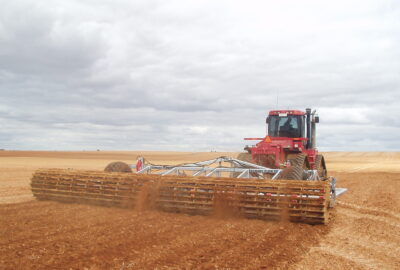
As Keyline design gained international influence, the Yeomans Plow evolved into a range of specialized models for broadacre farming, orchards and vineyards, pasture renovation, and hydraulic stump-jump systems. Each model retained the fundamental purpose: to build fertile soil quickly and efficiently while minimizing reliance on heavy chemical inputs.
Parallel advances in farm design accompanied these machinery developments. Improved soil structure and water infiltration enabled greater control of runoff, influenced dam placement and capacity, and led to more efficient farm layouts. Later innovations included computer-based simulation tools to support Keyline planning and land design.
A Continuing Legacy
While Keyline principles have remained consistent, the tools and techniques that support them have continued to evolve. Today’s Yeomans Plows represent more than seven decades of refinement—combining engineering improvements with an understanding of soil function.
After seventy-plus years, Yeomans Plow Co. remains a reference point for regenerative agriculture, delivering tools that help farmers improve soil function, reduce input costs, and create resilient, productive land for future generations.
Photo Gallery